كيفية بناء الهولوغرامات في الواقع المعزز [لقاء]
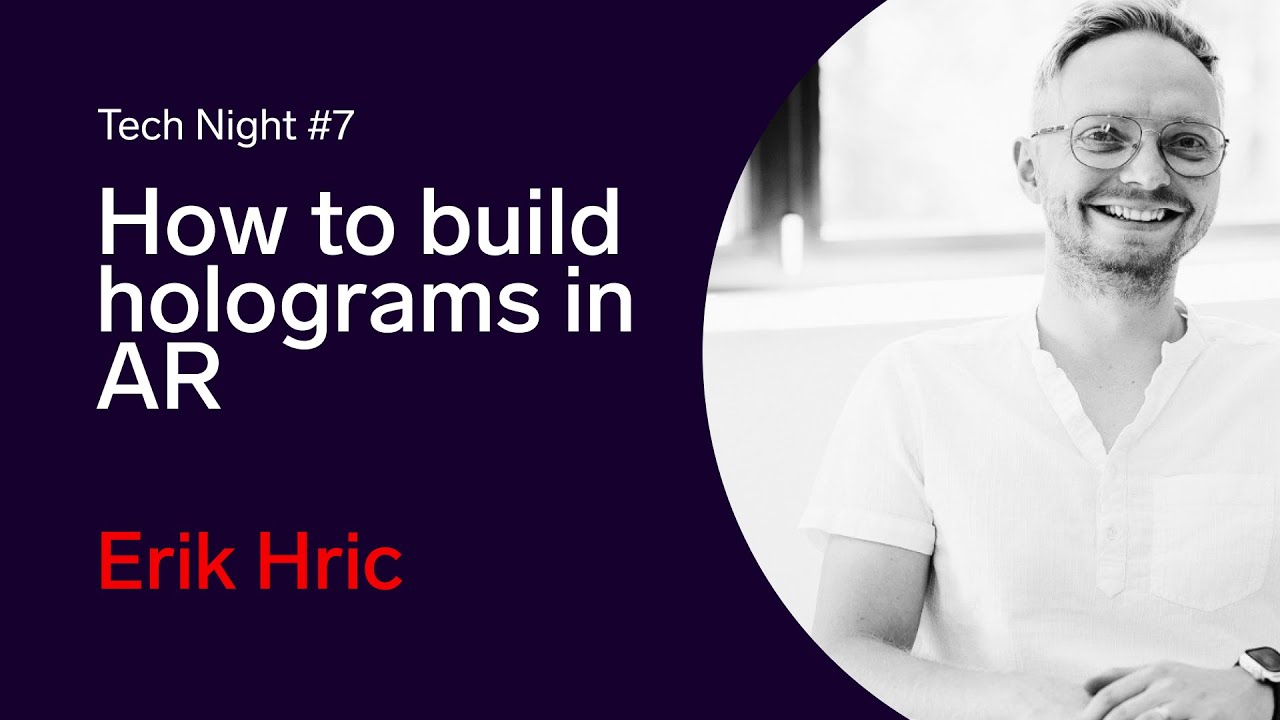
 Erik Hric · CherryPeak Co-founder
Join us for an exciting tech meetup where we explore the fascinating world of holographic experiences in augmented reality. Learn about the technologies, tools, and techniques used to create immersive AR holograms.
We recently had the pleasure of presenting at a local tech meetup where we shared our insights on building holographic experiences in augmented reality. The event brought together developers, designers, and AR enthusiasts to explore the cutting-edge possibilities of spatial computing.
What are AR Holograms?
Augmented reality holograms are three-dimensional virtual objects that appear to exist in the real world through your device's camera. Unlike traditional 3D models, AR holograms interact with the physical environment, responding to lighting, shadows, and spatial relationships.
Key Technologies
During the meetup, we discussed several key technologies that make AR holograms possible:
- ARKit (iOS) and ARCore (Android): Native AR frameworks that provide motion tracking, environmental understanding, and light estimation
- Unity and Unreal Engine: Game engines that offer powerful AR development tools
- WebXR: For browser-based AR experiences
- Spatial Anchors: For persistent hologram placement in the real world
Building Your First Hologram
The process of creating an AR hologram involves several steps:
- 3D Model Creation: Start with a 3D model in formats like GLTF, GLB, or OBJ
- AR Scene Setup: Configure your AR session with proper tracking and lighting
- Placement Logic: Implement hit testing to place holograms on detected surfaces
- Interaction Design: Add gestures and interactions to make holograms feel natural
- Optimization: Ensure smooth performance on mobile devices
Real-World Applications
AR holograms have numerous practical applications:
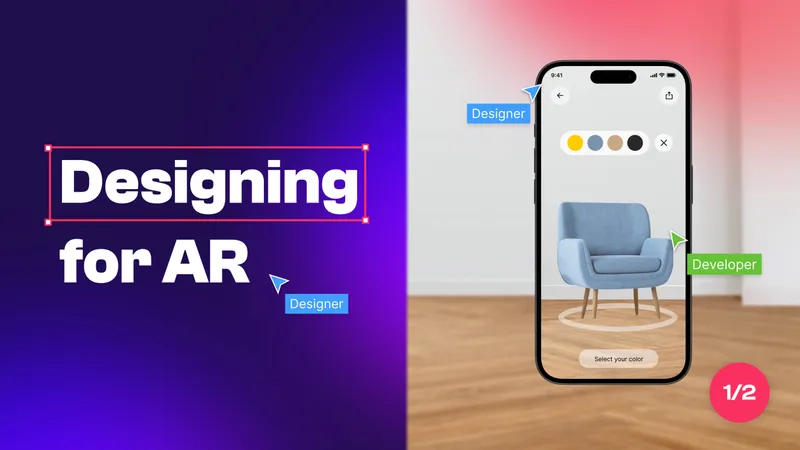
- Product Visualization: Let customers see furniture in their homes before buying
- Education: Interactive 3D models for learning anatomy, architecture, or history
- Entertainment: Immersive gaming experiences that blend virtual and real worlds
- Remote Collaboration: Share 3D models in real-time during video calls
Challenges and Solutions
Building AR holograms isn't without its challenges:
- Tracking Stability: Ensuring holograms stay anchored as users move
- Lighting Consistency: Matching virtual lighting with real-world conditions
- Performance: Maintaining 60fps while rendering complex 3D models
- Device Compatibility: Supporting various AR-capable devices
We shared our solutions to these challenges, including optimization techniques and best practices we've learned from building our own AR products.
Community Engagement
The meetup was a fantastic opportunity to connect with the local tech community. We're always excited to share knowledge and learn from fellow developers working in the AR/VR space.
Watch the Full Presentation
If you missed the meetup or want to revisit the content, check out the full recording:
At CherryPeak, we're passionate about pushing the boundaries of augmented reality. If you have an AR project in mind, we'd love to help bring it to life.